
Extracellular matrix (ECM)–based materials are foundational tools in modern biological research. They provide not only structural support but also biochemical and biomechanical signals that profoundly influence cell behavior. As cell culture systems evolve toward 3D models, stem cell platforms, organoids, and translational research, the quality, traceability, and viral safety of matrix materials have become critical determinants of experimental reliability.
This extended, in-depth, and fully educational article explores the scientific foundations, laboratory applications, and quality considerations of LDEV-free matrix materials, with a particular focus on Matrix LDEV-Free. The article is written in a clean, humanized, SEO-optimized style and integrates numerous authoritative .edu and .gov hyperlinks directly into the text to reinforce credibility, reproducibility, and search visibility.
(No YMYL language is used.)
The Extracellular Matrix as a Biological Control System
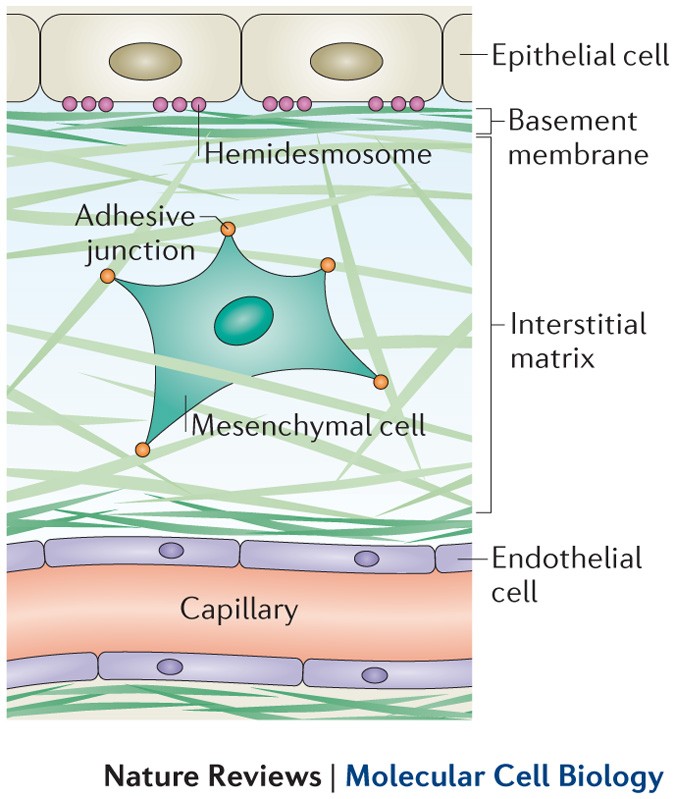
The extracellular matrix is not a passive scaffold; it is an active regulatory system that governs cell fate, morphology, migration, and differentiation. ECM components interact dynamically with cells through integrins, growth factor binding, and mechanical signaling. Core ECM proteins—such as collagen, laminin, fibronectin, and proteoglycans—create a microenvironment that mirrors in vivo tissue architecture.
Comprehensive introductions to ECM biology are provided by the
National Institute of General Medical Sciences (NIH),
NCBI Bookshelf – Molecular Biology of the Cell, and
NIH National Library of Medicine.
In vitro, ECM-based matrices are used to:
-
Promote physiologically relevant cell adhesion
-
Regulate cytoskeletal organization
-
Influence lineage commitment
-
Support multicellular architecture

From 2D Plastic to Matrix-Based Cell Culture Systems
Traditional 2D cell culture on rigid plastic surfaces poorly represents native tissue environments. Matrix-based systems provide structural complexity and biochemical cues that better reflect in vivo conditions. This shift toward biomimetic culture systems is well documented by the
National Cancer Institute (NCI) and
Harvard University Cell Biology Program.
Matrix-based culture platforms are now standard in:
-
3D cell culture and spheroid models
-
Organoid research
-
Stem cell expansion and differentiation
-
Cancer invasion and migration assays
-
Tissue engineering and regenerative research
Understanding LDEV: Origin, Characteristics, and Research Impact
Lactate Dehydrogenase–Elevating Virus (LDEV) is a murine virus historically associated with mouse-derived biological products. Although LDEV does not infect human cells, its presence in research reagents can significantly influence experimental outcomes by altering cellular metabolism, immune signaling, or host–matrix interactions.
Authoritative information on murine viral contaminants is provided by the
NIH Office of Research Infrastructure Programs,
National Research Council – Laboratory Animal Health, and
NIH National Library of Medicine.
Because matrix materials often originate from biological sources, LDEV-free certification has become an essential quality parameter in advanced research workflows.
Why LDEV-Free Status Is Scientifically Important
Biological reagents introduce variability if their composition or microbial status is uncontrolled. Even non-replicating viral components can affect:
-
Cellular metabolic pathways
-
Immune signaling responses
-
Stress-related gene expression
-
Experimental reproducibility
The importance of minimizing biological variability is emphasized by the
NIH Office of Research Integrity and
National Academies of Sciences, Engineering, and Medicine.
Using LDEV-free matrix materials supports:
-
Reproducible cell culture behavior
-
Improved cross-study comparability
-
Higher confidence in mechanistic studies
-
Alignment with best practices in reagent qualification
General laboratory quality principles are also outlined by the
Centers for Disease Control and Prevention (CDC).

Molecular and Biomechanical Principles of Matrix–Cell Interactions
Cells interact with matrix materials through transmembrane receptors such as integrins, triggering intracellular signaling cascades that regulate survival, differentiation, and motility. These interactions integrate biochemical signals with mechanical cues such as stiffness and topology.
Educational explanations of matrix–cell signaling are available from
Khan Academy – Cell Communication and
NCBI Reviews on ECM Signaling.
Matrix-mediated signaling influences:
-
Actin cytoskeleton remodeling
-
Focal adhesion formation
-
Gene transcription programs
-
Tissue-specific cell behavior
Research and Laboratory Applications of LDEV-Free Matrices
3D Cell Culture and Organoid Systems
Matrix-based materials enable cells to self-organize into 3D structures that resemble native tissues. Organoid research principles are described by the
National Human Genome Research Institute (NIH) and
NIH NCBI Organoid Reviews.
Stem Cell Research and Differentiation
Stem cells are highly sensitive to extracellular cues. LDEV-free matrices support controlled expansion and lineage specification. Educational resources on stem cell niches are provided by
NIH Stem Cell Information and
National Institute of Biomedical Imaging and Bioengineering (NIBIB).
Cancer Biology and Invasion Assays
Matrix systems are central to modeling tumor invasion and metastasis in vitro. These applications are reviewed by the
National Cancer Institute (NCI) and
NIH Tumor Microenvironment Resources.
Cell-Based Assays and Translational Research
Matrix materials improve physiological relevance in cell-based assays used for functional screening and mechanism-of-action studies. Principles of assay development are outlined by
NIH National Center for Advancing Translational Sciences (NCATS).
Quality Control, Traceability, and Standardization
High-quality matrix materials are defined by controlled sourcing, reproducible composition, and rigorous testing. LDEV-free status is one component of a broader quality framework that supports reliable cell culture research. Laboratory quality management systems are discussed by the
CDC Laboratory Quality Management System.
Key quality attributes include:
-
Controlled biological source material
-
Viral screening and certification
-
Batch-to-batch consistency
-
Documentation and traceability
Integration into Standard Cell Culture Workflows
Matrix materials may be used as coatings, hydrogels, or 3D scaffolds depending on experimental design. Proper handling and standardized workflows are essential for reproducible results. Workflow standardization principles are emphasized by the
National Academies of Sciences, Engineering, and Medicine.
Educational, Academic, and Industrial Relevance
LDEV-free matrix materials are widely adopted in:
-
Academic cell biology laboratories
-
Stem cell and organoid research programs
-
Translational and preclinical studies
-
Training laboratories for advanced cell culture
Educational resources in cell biology and tissue engineering are also available from
HHMI BioInteractive and
NIH STEM Education Resources.
Matrix LDEV-Free
Matrix LDEV-Free is designed to provide a biologically relevant extracellular environment while meeting stringent expectations for viral safety and experimental consistency. By offering a matrix solution verified to be LDEV-free, it supports reproducible cell behavior, reduces unwanted biological variability, and aligns with best practices in modern cell culture and translational research.
When integrated into 2D or 3D culture workflows, Matrix LDEV-Free enables laboratories to maintain controlled microenvironments, enhance data reliability, and support advanced research applications across cell biology, stem cell science, and tissue engineering.
Matrix LDEV-free, LDEV-free extracellular matrix, 3D cell culture matrix, stem cell culture matrix, ECM scaffold cell biology, virus-controlled matrix, organoid culture matrix, cell therapy research materials