
Polymerase Chain Reaction (PCR) has become one of the most influential technologies in molecular biology, transforming how laboratories study and detect respiratory diseases. From academic research laboratories to applied diagnostic development environments, PCR enables sensitive and specific detection of respiratory pathogen nucleic acids. However, the analytical power of PCR is only as reliable as the quality control systems that support it.
This in-depth, educational article explores Respiratory Disease PCR Quality Control in detail—covering scientific foundations, laboratory applications, workflow integration, and best practices—while embedding authoritative .edu and .gov references directly in the text to support learning, credibility, and SEO performance.

PCR Technology in Respiratory Disease Research
PCR is a nucleic acid amplification technique that selectively amplifies specific DNA or RNA sequences, allowing detection of pathogens even at very low concentrations. A clear explanation of PCR fundamentals is provided by the
National Human Genome Research Institute (NIH) and the
University of Utah Learn Genetics program.
In respiratory disease research, PCR is commonly used to study:
-
Viral respiratory pathogens
-
Bacterial respiratory infections
-
Mixed respiratory panels for assay development
-
Molecular epidemiology and surveillance studies
The importance of molecular testing in respiratory disease investigations is highlighted by the
Centers for Disease Control and Prevention (CDC).
Why Quality Control Is Critical in PCR-Based Assays
PCR assays are highly sensitive to variability. Small changes in reagent quality, thermal cycling conditions, or nucleic acid extraction efficiency can significantly impact results. According to the
Clinical and Laboratory Standards Institute (CLSI), quality control is a mandatory component of reliable molecular testing.
PCR quality control serves several essential purposes:
-
Verification of amplification integrity
-
Monitoring of assay stability over time
-
Identification of contamination or inhibition
-
Assurance of reproducibility between runs
The broader framework of laboratory quality assurance is described by the
U.S. Food and Drug Administration (FDA) and the
CDC Laboratory Quality Management System.
Understanding Respiratory Disease PCR Quality Control Materials
PCR quality control materials are designed to mimic real experimental samples while remaining standardized and well-characterized. Their development is grounded in molecular biology principles discussed by
NCBI Bookshelf and
Khan Academy – PCR Overview.
Key characteristics of effective PCR quality controls include:
-
Defined nucleic acid sequences
-
Stability during storage and repeated testing
-
Compatibility with standard PCR and qPCR platforms
-
Reproducible amplification behavior
Types of PCR Quality Controls in Respiratory Testing
Positive Controls
Positive controls contain known target sequences associated with respiratory pathogens. They confirm correct primer binding, enzyme activity, and thermal cycling performance. The educational role of positive controls is well explained by
MIT OpenCourseWare – Molecular Biology.
Negative Controls
Negative controls lack target nucleic acids and help detect contamination or non-specific amplification. Best practices for contamination prevention are outlined by the
CDC Molecular Laboratory Training Resources.
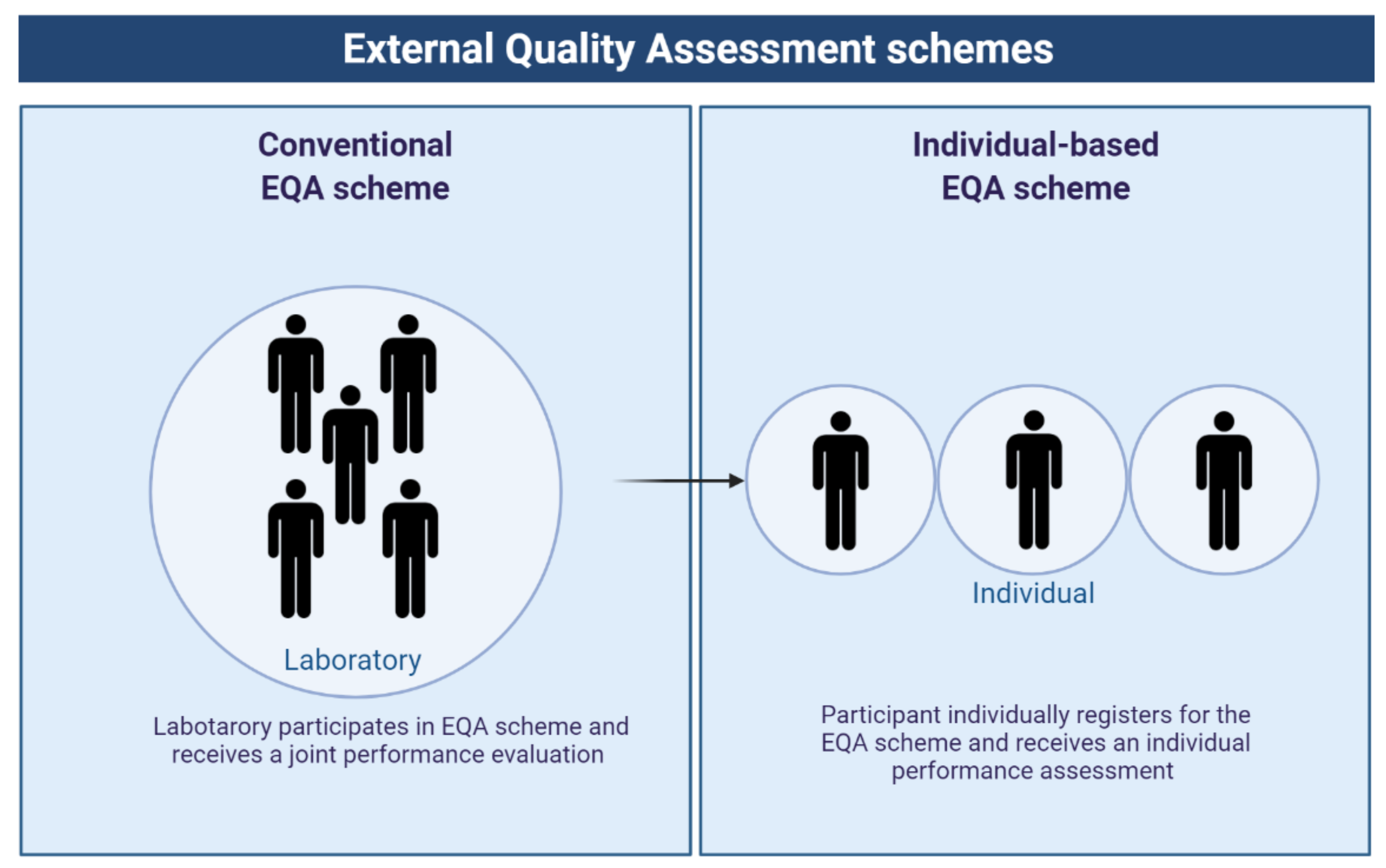
External Quality Controls
External quality controls are processed independently from routine samples and assess the entire PCR workflow. External quality assessment concepts are described by the
World Health Organization (WHO) and supported by
CDC Global Health Laboratory Programs.
Quantitative Controls
In real-time PCR assays, quantitative controls help assess amplification efficiency and Ct value consistency. Detailed discussions on qPCR quantification are available via
NCBI qPCR Reviews and
NIH National Library of Medicine.
Laboratory Applications of Respiratory PCR Quality Control
Assay Development and Optimization
During assay development, quality controls help researchers optimize primer design, probe selection, and reaction conditions. Guidance on assay development principles can be found through
NIH NIAID Research Resources and
University of Wisconsin Biotechnology Center.
Validation and Verification Studies
Before routine use, PCR assays must be validated locally. Quality controls support evaluation of analytical sensitivity, specificity, and precision. Validation concepts are described by the
CDC Molecular Diagnostic Guidance.
Routine Performance Monitoring
Regular inclusion of quality controls allows laboratories to track assay performance trends over time. Continuous monitoring aligns with recommendations from the
NIH Office of Research Integrity and
CDC Laboratory Quality Assurance Programs.
Instrument and Reagent Performance Assessment
Quality control materials help identify issues related to thermal cyclers, optics, enzymes, or master mixes. Instrument performance fundamentals are discussed by
Cold Spring Harbor Laboratory DNA Learning Center.
Data Interpretation and Ct Value Analysis
In real-time PCR, quality control data are often evaluated through amplification curves and Ct value trends. Stable Ct values across runs indicate consistent assay performance, while shifts may suggest reagent degradation or technical variation. Statistical considerations for PCR data interpretation are reviewed by
NCBI Biostatistics Resources and
NIH Research Methods Guides.
Workflow Integration and Laboratory Standardization
Integrating PCR quality controls into routine workflows ensures immediate detection of technical issues. Standardized workflows improve reproducibility and inter-laboratory comparability, which are key principles emphasized by the
National Academies of Sciences, Engineering, and Medicine.
Laboratories that consistently apply quality control practices benefit from:
-
Improved confidence in molecular data
-
Reduced technical variability
-
Enhanced documentation and traceability
These benefits are particularly relevant in respiratory disease research and surveillance initiatives described by
CDC Infectious Disease Surveillance Programs.

Educational, Academic, and Research Value
Respiratory Disease PCR Quality Control materials are widely used beyond routine testing. They play an important role in:
-
Academic molecular biology teaching laboratories
-
Training of new molecular technologists
-
Comparative evaluation of PCR platforms
Educational PCR resources are available through
HHMI BioInteractive and
NIH STEM Education.
Respiratory Disease PCR Quality Control
The Respiratory Disease PCR Quality Control is designed to support laboratories performing PCR-based analysis of respiratory pathogens. It provides a stable, reliable reference material for assay validation, routine performance monitoring, and workflow standardization.
By incorporating this quality control into molecular workflows, laboratories can enhance assay confidence, maintain consistent amplification performance, and support high-quality respiratory disease research aligned with established molecular biology best practices.
Respiratory disease PCR, PCR quality control, respiratory pathogen PCR, real-time PCR control, molecular diagnostics, PCR assay validation, laboratory PCR workflow, Ct value consistency, molecular biology quality assurance, respiratory infection research