
Introduction to Mammalian Cell Transfection
Mammalian cell transfection is a widely used laboratory technique that enables researchers to introduce foreign nucleic acids such as plasmid DNA or RNA into eukaryotic cells. This process allows scientists to study gene expression, protein function, signaling pathways, and cellular mechanisms under controlled experimental conditions.
Transfection technologies have become essential tools in modern molecular biology and biotechnology research. Various chemical, physical, and biological approaches are available for delivering nucleic acids into mammalian cells, including lipid-based reagents, polymer systems, electroporation, and viral vectors.
One commonly used approach involves chemical transfection reagents, which form complexes with nucleic acids and facilitate their entry into cells through membrane interaction and endocytosis.
Educational background on gene expression and molecular biology techniques can be explored through the National Center for Biotechnology Information (NCBI)
https://www.ncbi.nlm.nih.gov/
Foundational genomic research resources are available through the National Human Genome Research Institute (NHGRI)
https://www.genome.gov/
Additional information on molecular and cellular biology can be found through the National Institute of General Medical Sciences (NIGMS)
https://www.nigms.nih.gov/
General explanations of DNA, genes, and cellular processes are available through MedlinePlus Genetics
https://medlineplus.gov/genetics/
Researchers studying biological systems can also explore resources from the National Institutes of Health (NIH)
https://www.nih.gov/
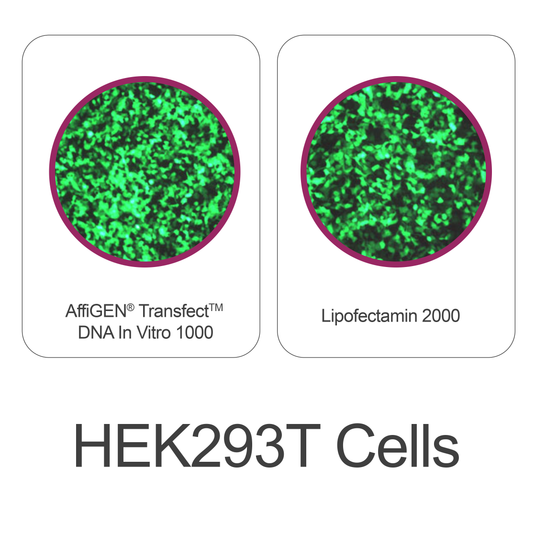
What Is Transfect™ 1000 – Mammalian Cell?
Transfect™ 1000 – Mammalian Cell is a chemical transfection reagent designed for the efficient delivery of plasmid DNA, siRNA, or other nucleic acid molecules into mammalian cells. The reagent forms complexes with nucleic acids, enabling them to cross the cell membrane and reach intracellular compartments where gene expression can occur.
Such reagents are widely used in molecular biology laboratories for experiments involving transient gene expression, functional gene analysis, and protein production in cultured mammalian cells.
Educational information about nucleic acid delivery methods can be explored through the NCBI Bookshelf
https://www.ncbi.nlm.nih.gov/books/
Additional research on molecular delivery technologies can be found through the National Institute of Biomedical Imaging and Bioengineering (NIBIB)
https://www.nibib.nih.gov/
Scientific publications describing transfection strategies are available through PubMed, maintained by the National Library of Medicine
https://pubmed.ncbi.nlm.nih.gov/
Principle of Chemical Transfection
Chemical transfection reagents typically work by forming nucleic acid–reagent complexes that interact with the cell membrane.
The general mechanism includes several steps:
-
The transfection reagent binds to nucleic acid molecules.
-
The complexes form nano-sized particles.
-
These particles interact with the cell membrane.
-
The complexes are internalized through cellular uptake processes.
-
The nucleic acid is released inside the cell.
Once inside the cell, plasmid DNA can be transported to the nucleus where transcription occurs.
Educational resources explaining cellular uptake mechanisms and membrane transport can be explored through MIT OpenCourseWare Biology
https://ocw.mit.edu/courses/biology/
Additional information on cell membrane structure and transport mechanisms can be found through the National Institute of General Medical Sciences
https://www.nigms.nih.gov/
Key Features of Transfect™ 1000
Modern mammalian transfection reagents are designed to provide reliable gene delivery while maintaining cell viability.
High Transfection Efficiency
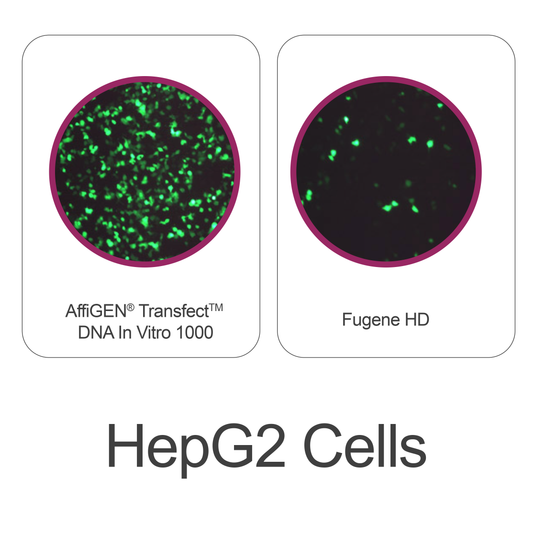
Transfect™ 1000 supports efficient nucleic acid delivery in a wide variety of mammalian cell lines.
Research on gene delivery technologies can be explored through the National Institutes of Health biotechnology research programs
https://commonfund.nih.gov/
Low Cytotoxicity
Well-optimized chemical formulations minimize cell stress and preserve cell viability during transfection experiments.
Scientific studies on cellular stress responses are available through PubMed Central
https://www.ncbi.nlm.nih.gov/pmc/
Broad Cell Line Compatibility
Many mammalian transfection reagents are designed to function effectively in multiple cell types including:
• HEK293 cells
• HeLa cells
• CHO cells
• COS cells
• other adherent or suspension mammalian cells
Educational materials on mammalian cell culture techniques are available through Cold Spring Harbor Laboratory
https://www.cshl.edu/
Simple Protocol
Chemical transfection reagents are typically easy to use and require only a few experimental steps.
Laboratory protocol design and experimental reproducibility are discussed through NIH training resources
https://www.training.nih.gov/
Typical Mammalian Cell Transfection Workflow
A standard transfection experiment using Transfect™ 1000 generally includes the following steps.
1. Cell Preparation
Mammalian cells are cultured in appropriate growth medium until they reach the optimal confluency for transfection.
Educational information about cell culture techniques can be explored through Harvard University’s Molecular and Cellular Biology program
https://mcb.harvard.edu/
2. Complex Formation
The transfection reagent is mixed with plasmid DNA or RNA to form nucleic acid–reagent complexes.
Biochemical interactions between nucleic acids and delivery molecules are discussed through the Protein Data Bank educational resources
https://www.rcsb.org/education
3. Addition to Cells
The complexes are added to the cultured cells, where they interact with the cell membrane.
Cellular uptake mechanisms and membrane dynamics are discussed through Stanford University’s structural biology research programs
https://sbp.stanford.edu/
4. Gene Expression
Once inside the cell, the delivered nucleic acid can be transcribed and translated into protein.
Educational materials describing transcription and translation mechanisms are available through the National Human Genome Research Institute
https://www.genome.gov/genetics-glossary/Transcription
5. Experimental Analysis
Following transfection, researchers analyze gene expression using techniques such as:
• fluorescence imaging
• protein detection assays
• reporter gene assays
• RNA analysis methods
Additional educational materials describing gene expression analysis can be found through the NCBI molecular biology resources
https://www.ncbi.nlm.nih.gov/
Applications of Transfect™ 1000 in Molecular Biology
Gene Expression Studies
Transfection reagents enable researchers to introduce plasmid constructs into cells to study gene function and regulation.
Research programs related to gene expression analysis are coordinated through the NIH Common Fund
https://commonfund.nih.gov/
Protein Production in Mammalian Cells
Transfection can be used to produce recombinant proteins in cultured mammalian cell systems.
Educational information about protein expression systems is available through University of Wisconsin Biotechnology Center
https://biotech.wisc.edu/
Functional Genomics Experiments
Researchers frequently use transfection techniques to investigate molecular pathways and cellular regulatory mechanisms.
Additional information about genomic technologies is available through the National Human Genome Research Institute
https://www.genome.gov/
RNA Interference Experiments
Small interfering RNA (siRNA) can be introduced into cells using transfection reagents to study gene silencing mechanisms.
Educational explanations of RNA interference can be explored through NCBI educational resources
https://www.ncbi.nlm.nih.gov/books/

Advantages of Chemical Transfection Reagents
Chemical transfection reagents offer several advantages for molecular biology workflows.
• Simple experimental protocols
• High transfection efficiency in many cell types
• Compatibility with plasmid DNA and RNA molecules
• Flexible experimental design
• Suitable for transient gene expression studies
Scientific literature describing gene delivery technologies can be accessed through PubMed
https://pubmed.ncbi.nlm.nih.gov/
Best Practices for Successful Transfection
Researchers often follow several guidelines to achieve optimal transfection results.
• Use healthy, actively growing cells
• Optimize DNA-to-reagent ratios
• Maintain proper cell confluency
• Use high-quality plasmid DNA preparations
• Monitor gene expression using appropriate detection methods
Laboratory training and experimental design guidelines are available through the NIH Office of Intramural Training and Education
https://www.training.nih.gov/
Conclusion
Transfect™ 1000 – Mammalian Cell is a versatile chemical transfection reagent designed to support efficient nucleic acid delivery into mammalian cell cultures. By forming complexes with DNA or RNA molecules, the reagent enables researchers to introduce genetic material into cells for studies involving gene expression, protein production, and cellular pathway analysis.
Because transfection technology plays a central role in molecular biology and biotechnology research, reliable reagents such as Transfect™ 1000 remain valuable tools for laboratories investigating gene function and cellular biology.